Introduction: The Battery as the “Heart” of an Electric Wheelchair
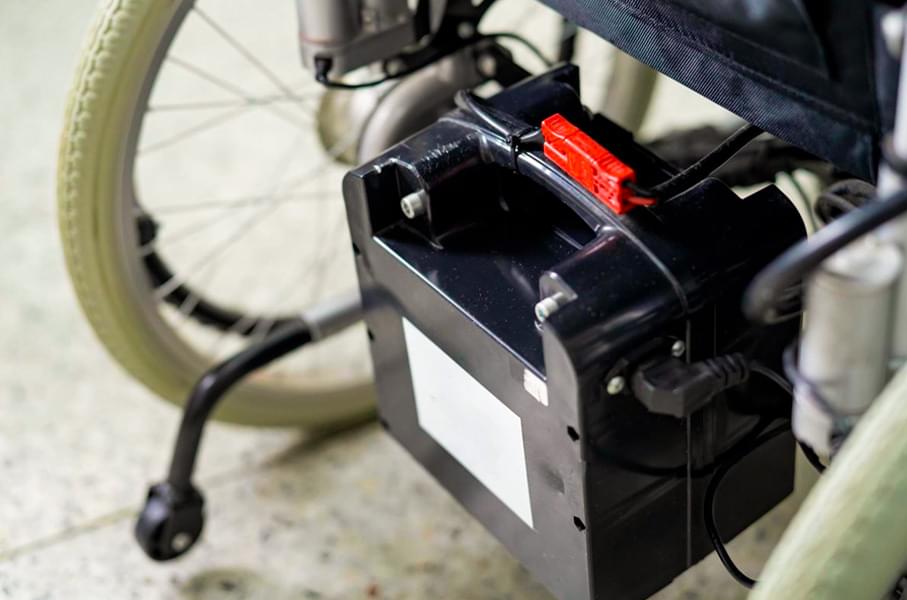
The performance of an electric wheelchair largely depends on its power source. Choosing the right battery is not just about cost, but also about safety, reliability, and long-term efficiency. In this electric wheelchair battery comparison, we will explore the differences between lead-acid and lithium-ion batteries, highlight their advantages and limitations, and provide wholesale purchasing strategies. For distributors, hospitals, and healthcare facilities, understanding these differences can lead to better procurement decisions and long-term cost savings.
I. Lead-Acid Batteries: A Classic and Cost-Effective Power Option
1. Technology and Composition
Lead-acid batteries use lead and lead dioxide as electrode materials, with sulfuric acid as the electrolyte. The technology is well-established and widely adopted in mobility products.
2. Advantages
- Affordable Cost: Low initial investment, making it ideal for budget-conscious buyers.
- Proven Technology: Decades of market application ensure stability and reliability.
- Easy Maintenance: Routine checks can prolong battery life.
3. Limitations
- Heavy Weight: Adds significant mass to the wheelchair, making transport difficult.
- Lower Energy Density: Limits travel range, unsuitable for frequent long-distance use.
- Shorter Lifespan: Frequent deep charging and discharging accelerate capacity loss.
4. Best Use Cases
Lead-acid batteries are suitable for:
- Cost-sensitive users and markets.
- Indoor or stationary use cases, such as nursing homes.
- Large-scale procurement where price control is critical (hospitals, eldercare facilities).
II. Lithium-Ion Batteries: Lightweight and Long-Range Modern Solution
1. Technology and Composition
Lithium-ion batteries rely on lithium ions shuttling between the positive and negative electrodes to store and release energy.
2. Advantages
- Lightweight Design: Significantly reduces wheelchair weight, improving portability.
- Higher Energy Density: Extended travel range, often exceeding 25 km per charge.
- Longer Lifespan: Fewer replacements required during the product lifecycle.
- Maintenance-Free: No need for electrolyte checks or periodic servicing.
- Convenient Charging: Mobile charging options, with no memory effect.
3. Limitations
- Higher Initial Cost: Requires a larger upfront investment.
- Safety Requirements: Needs advanced Battery Management Systems (BMS) to ensure voltage and temperature stability.
4. Best Use Cases
Lithium-ion batteries are ideal for:
- Frequent travelers or active users.
- Lightweight, portable wheelchair designs.
- Patients who rely on public transportation or international travel.
III. Lead acid vs lithium-ion wheelchair battery
| Feature | Lead-Acid Battery | Lithium-Ion Battery |
| Cost | Low | Higher |
| Weight | Heavy | Lightweight |
| Travel Range | Short | Long |
| Lifespan | Shorter | Longer |
| Maintenance | Requires upkeep | Maintenance-free |
| Best Applications | Budget-sensitive, indoor | Frequent travel, portable use |
IV. How to Choose the Right Battery?
Choosing the right battery for an electric wheelchair can feel overwhelming, but breaking it down into a few key factors makes the decision easier:
🔹 Budget Considerations
- 💰 Lead-acid: Best for those focused on lower upfront costs. Ideal for budget-conscious buyers or bulk purchases.
- 🔋 Lithium-ion: Higher initial cost, but delivers better long-term ROI thanks to a longer lifespan and fewer replacements.
👉 For buyers working with a wholesale electric wheelchair supplier, the choice often comes down to balancing short-term savings with long-term value.
🔹 Usage Scenario
- 🏠 Indoor / Short-distance: Lead-acid batteries provide enough power for daily routines in hospitals or nursing homes.
- 🌍 Outdoor / Travel use: Lithium-ion is lighter and offers a longer range, making it perfect for frequent travelers and active users.
🔹 Maintenance Capability
- 🛠️ Lead-acid: Requires occasional checks and maintenance (e.g., fluid levels in some models). Best for facilities with dedicated staff.
- 🚀 Lithium-ion: Zero-maintenance design, no “memory effect,” and ready to use anytime — ideal for distributors who value convenience and customer satisfaction.
🔹 Procurement Scale
- 🏥 Hospitals & Nursing Homes: Often select lead-acid batteries due to their cost efficiency in large-scale procurement.
- 📦 High-end Distributors: Prefer lithium-ion for premium, lightweight, and travel-friendly wheelchairs. Partnering with a reliable wholesale electric wheelchair supplier ensures access to both battery solutions, tailored to diverse markets.
VI. Satcon Medical Solutions
As a leading electric wheelchair manufacturer in China, Satcon Medical provides comprehensive solutions for global distributors and healthcare institutions:
- Dual Battery Options: Both lead-acid and lithium-ion configurations are available to suit various market needs.
- International Certifications: Products certified by CE, FDA, and ISO 13485.
- OEM/ODM Customization: Tailored wheelchair designs to meet regional market demands.
- Bulk Procurement Support: Large-scale supply for hospitals, eldercare facilities, and government tenders.
- Global Expertise: Extensive experience in Europe, the Middle East, and Southeast Asia, supporting clients with market expansion.
Satcon Medical, Better Life.
Partner with Satcon Medical today to access reliable, certified, and cost-effective electric wheelchair solutions tailored to your business.
Conclusion
Conclusion (Expanded & Optimized)
When it comes to electric wheelchair batteries, there is no one-size-fits-all solution ⚖️ — the “best” battery depends entirely on your specific needs, usage patterns, and budget.
- 💰 Lead-Acid Batteries: These remain a cost-effective and reliable option, ideal for bulk purchases, indoor use, or facilities prioritizing upfront cost efficiency. They are proven, durable, and widely used in hospitals, nursing homes, and other healthcare environments.
- 🚀 Lithium-Ion Batteries: Offering a lightweight design, longer range, and modern convenience, lithium-ion batteries are ideal for users who travel frequently, require portability, or need extended battery life. Their maintenance-free design also makes them ideal for distributors looking to provide hassle-free solutions to clients.
For distributors, hospitals, and healthcare buyers, a strategic combination of both battery types can maximize market coverage 🌍. Stocking both lead-acid and lithium-ion options allows you to cater to budget-conscious clients while also serving high-end markets with premium, long-range solutions.
Partnering with a trusted supplier like Satcon Medical ensures access to:
- ✅ Certified batteries that meet international safety standards
- ✅ Customizable solutions tailored to specific market demands
- ✅ OEM/ODM services for scalable, bulk procurement
- ✅ Expert support for both domestic and international markets
By choosing the right mix of batteries and partnering with a reliable supplier, your business can deliver optimal performance, cost-efficiency, and customer satisfaction, turning every sale into a long-term relationship.
For professional buyers and bulk procurement managers seeking a complete guide on electric wheelchair selection—including frame, motor, battery, and safety features—check our How to Choose the Right Electric Wheelchair for Your Needs: A Comprehensive Purchase Guide .