In healthcare and eldercare facilities, wheelchairs are more than mobility tools—they’re vital to daily care and patient recovery. Whether it’s short-term transport in a hospital or long-term support in a nursing home, choosing the right wheelchair from a trusted hospital wheelchair supplier or dedicated OEM wheelchair manufacturer makes all the difference. The right partner ensures FDA/CE-approved quality, customizable designs, and responsive service, which together boost patient comfort, streamline caregiver workflows, and reduce downtime from repairs.
This guide is crafted for procurement teams in hospitals and nursing homes. You’ll find clear advice on evaluating wheelchair features, sourcing wholesale medical wheelchairs at competitive rates, and implementing a proven bulk wheelchair purchasing guide. Follow these best practices to simplify large-scale acquisitions, negotiate favorable terms, and maintain reliable inventory levels, ensuring every patient receives the mobility support they need.
1. Why Proper Wheelchair Procurement Matters
Wheelchairs directly affect the mobility, independence, and dignity of patients and residents. Partnering with a reputable hospital wheelchair supplier or experienced OEM wheelchair manufacturer ensures you receive FDA/CE-approved products with consistent quality control. When you invest in the right models—whether standard manual chairs, bariatric solutions, or advanced electric wheelchairs—you mitigate the risk of pressure injuries caused by poor seating ergonomics and uneven weight distribution.
Key Risks of Poor Procurement Choices
- Pressure Injuries & Discomfort
Ill-fitting cushions and a lack of adjustability can lead to skin breakdown and ulcers. - Increased Caregiver Strain
Heavy or unwieldy wheelchairs force staff to use extra physical effort, heightening injury risk. - Higher Maintenance Costs
Low-grade components result in frequent breakdowns, driving up repair and replacement expenses. - Reduced Patient Satisfaction
Unreliable or uncomfortable chairs undermine patient trust and prolong rehabilitation.
Conversely, sourcing wholesale medical wheelchairs from certified suppliers and following a robust bulk wheelchair purchasing guide provides clear advantages:
- Enhanced Comfort & Safety – Ergonomic designs, adjustable features, and clinical-grade materials protect skin integrity and promote better posture.
- Streamlined Operations – Bulk orders reduce per-unit costs, simplify inventory management, and guarantee consistent supply levels.
- Long-Term Value – Durable frames and proven manufacturing processes extend service life, delivering a lower total cost of ownership.
By prioritizing strategic procurement—evaluating supplier certifications, OEM customization capabilities, and bulk pricing structures—you not only elevate the standard of patient care but also optimize your facility’s operational efficiency and budgetary performance.
2. Types of Wheelchairs and Key Selection Criteria
2.1 Manual Wheelchairs
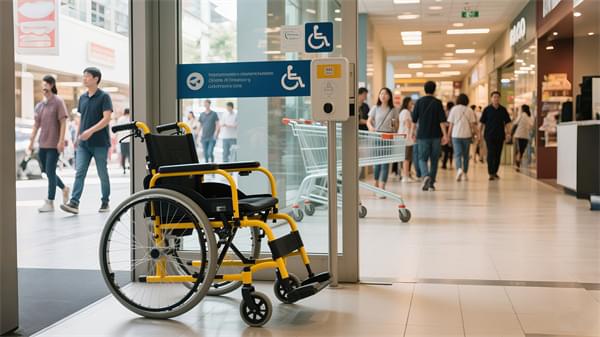
Manual wheelchairs are the backbone of patient transport in hospital wards, outpatient clinics, and short-term care settings. As a trusted hospital wheelchair supplier, we offer models that combine durability, ease of use, and cost-efficiency, even when purchased in bulk.
Key Features
- ✅ Affordable & Lightweight
Crafted from aluminum or high-strength steel, these chairs minimize cost and simplify handling for clinical staff. - 📦 Foldable Design
Quick-release wheels and a collapsible frame let you stow and deploy units in seconds—ideal when space is at a premium. - 🤝 Caregiver-Assisted
Ergonomic push handles and intuitive handbrakes help caregivers move patients smoothly and securely.
Common Types
- Standard Manual Wheelchair
A reliable workhorse with puncture-proof rear wheels, reinforced frame, and easy-clean upholstery—perfect for high-traffic hospital corridors. - Transport Wheelchair
Extra-lightweight with smaller rear wheels and integrated footrests, this chair is designed for brief indoor trips and reduces strain on both patient and staff. - Heavy-Duty (Bariatric) Wheelchair
Featuring an expanded frame and reinforced components, these chairs support higher weight capacities (up to 300 kg) without sacrificing maneuverability or comfort.
Partnering with an experienced hospital wheelchair supplier guarantees consistent quality, responsive support, and competitive pricing, helping your team maintain efficient patient flow and reduce maintenance overhead.
2.2 Electric Wheelchairs

Electric wheelchairs deliver long-term mobility independence in nursing homes and rehabilitation centers. As an experienced OEM wheelchair manufacturer, we craft motorized chairs tailored to institutional needs, combining reliability, comfort, and advanced controls for everyday use.
Key Features
- ⚡ Motorized Drive
Dual brushless motors provide smooth traction on ramps, carpets, and hard floors. - 🎮 Joystick Control
Ergonomic 360° joysticks and programmable speed settings let users navigate tight corridors and open spaces with ease. - 🛡️ Reduced Caregiver Workload
Automated propulsion removes the need for manual pushing, freeing staff to focus on personalized care.
Ideal For
- 👴 Seniors with Limited Upper Strength
Customizable seating and effortless steering help residents regain confidence and autonomy. - 🏠 Long-Term Private Room Use
Compact frames and quiet operation make these chairs perfect for private or semi-private rooms, ensuring comfort around the clock.
Partnering with a leading OEM wheelchair manufacturer guarantees FDA and CE-certified components, bespoke modifications (seat width, battery capacity, accessory mounts), and responsive after-sales support, so your facility can offer top-tier, dependable mobility solutions.
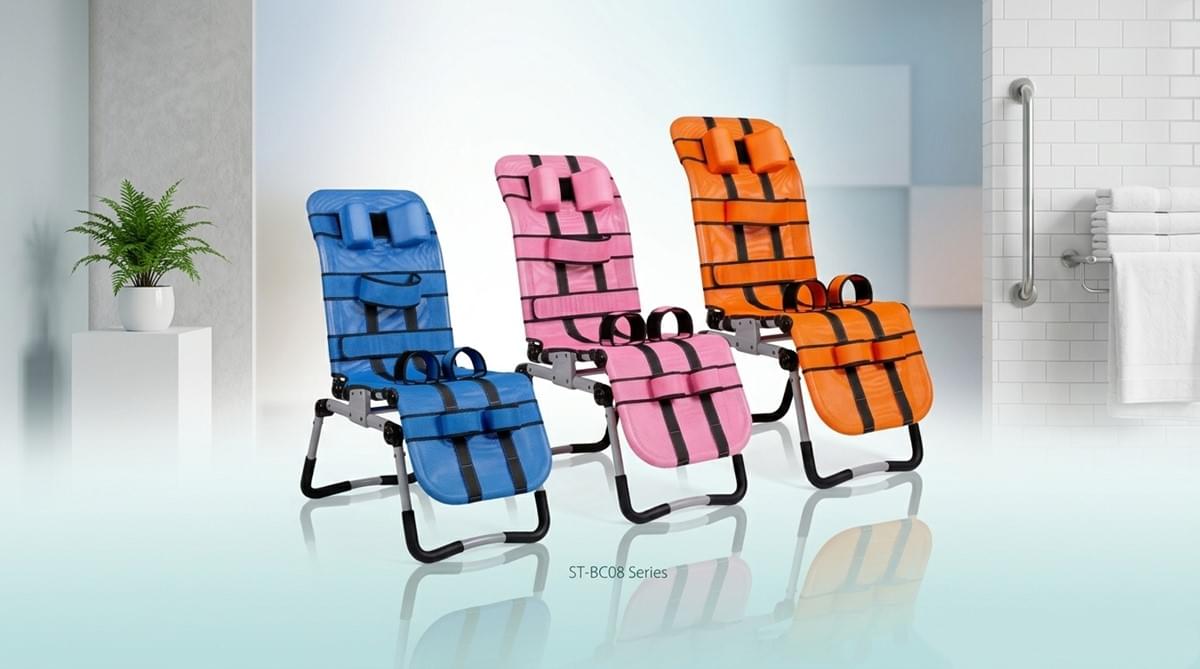
2.3 Multifunctional / Commode Wheelchairs
Multifunctional or commode wheelchairs are designed for patients with very limited mobility, offering both comfort and practical hygiene support. As an experienced institutional wheelchair provider, we supply versatile models that address pressure relief, toileting needs, and safe transfers—ideal for nursing homes and long-term care wards.
Key Features
- 🔄 Reclining Backrests
Adjustable angles relieve pressure points and reduce skin breakdown. - 🚽 Integrated Commode
Removable bucket and quick-release frame simplify toileting without awkward transfers. - ↔️ Transfer-Friendly Frame
Swing-away armrests and height-adjustable footrests make lateral moves seamless and secure.
Why Choose These Models?
- Enhanced Patient Comfort – Ergonomic padding and tilt functions support hours of seated care.
- Ease of Care – Built-in waste receptacles and splash guards streamline daily routines and minimize cross-contamination.
- Operational Efficiency – Bulk orders of these hygiene-focused mobility chairs cut per-unit costs and ensure consistent supply—a perfect match for your bulk wheelchair purchasing guide.
Partnering with a trusted hospital wheelchair supplier or dedicated OEM wheelchair manufacturer guarantees you get CE/FDA-compliant, customizable commode wheelchairs with reliable after-sales service, so your care team can focus on resident well-being rather than equipment hassles.
3. How to Evaluate a Wheelchair Supplier
Selecting the right wheelchair vendor is critical for ensuring dependable equipment, uninterrupted service, and responsive support after purchase. Whether you’re working with a seasoned hospital wheelchair supplier, an OEM wheelchair manufacturer, or a wholesale mobility provider, focus on these five essential criteria:
🏅 Certifications & Compliance
- ISO 13485: Rigorous medical-device quality management system
- CE Marking / FDA 510(k): Proof of safety and performance
- Local registrations: National health authorities’ approvals
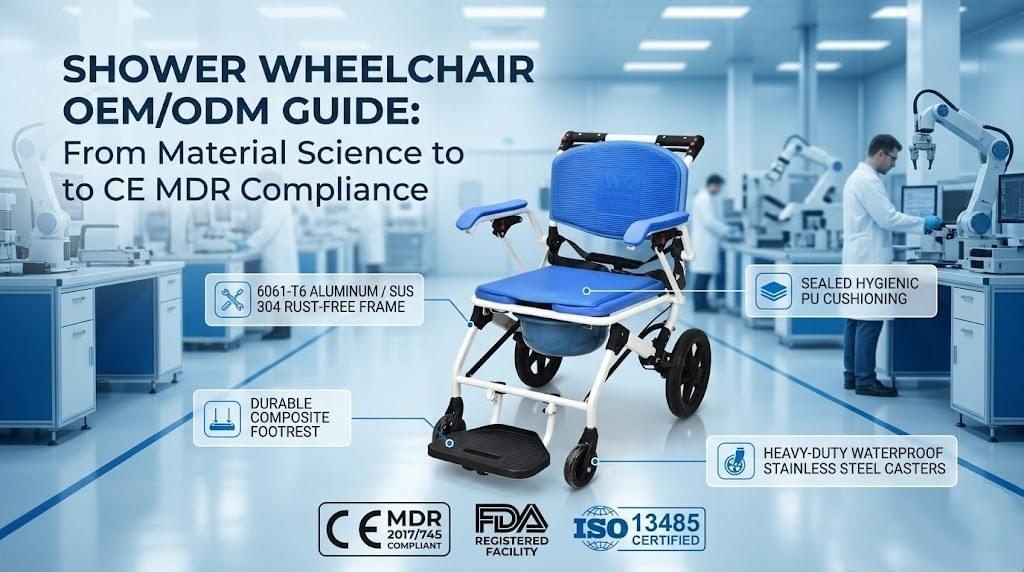
🏭 Manufacturing Capabilities
- In-house core components: Control over frame welding, motor assembly, and joystick calibration
- Testing & samples: Ready access to test reports, demo units, or pilot batches
🛠 After-Sales Support
- Warranty: Minimum 12-month coverage on parts and labor
- Multilingual helpline: 24/7 technical guidance for global teams
- Spare parts network: Fast access to replacement wheels, batteries, and electronics
📋 Customer References & Track Record
- Institutional clients: Case studies from hospitals, nursing homes, rehab centers
- Tender success: Experience in government or large-scale healthcare bids
🎨 Customization & Flexibility
- Branding: Custom logos, upholstery colors, and packaging
- Tailored specs: Seat width, backrest angle, battery capacity, and accessory mounts
Pro Tip: Request a virtual factory tour or live product demo video to verify production standards, assembly processes, and quality controls before committing to a bulk order.
4. Smart Strategies for Bulk Procurement
Bulk wheelchair purchases demand a careful balance between cost savings and day-to-day usability. Follow these five steps to secure the best value without compromising on performance:
4.1 ⚙️ Define Functional Requirements
Start by mapping out exactly which departments need wheelchairs and why:
- 🆘 Emergency Department: Lightweight, foldable models for rapid response and easy storage in trauma bays.
- 🏥 Recovery & Surgery Units: Reclining or cushioned chairs to support post-op patients during transfers.
- 🏡 Long-Stay Senior Care: Electric or heavy-duty manual chairs that prioritize comfort for extended use.
Don’t forget to factor in projected growth—adding a 10–15% buffer for new beds or expanding services can help avoid last-minute rush orders.
4.2 💼 Request Competitive Quotations
Obtain bids from at least three qualified suppliers and evaluate on more than price alone:
- 📦 Total Landed Cost: Compare shipping, customs, and local handling fees.
- 🔧 Spare Parts Availability: Verify lead times for consumables like batteries, tires, or upholstery.
- 🌐 Local Service Network: Ensure there’s on-site or nearby technical support to minimize downtime.
4.3 🔍 Pilot Testing
Before committing to a full order, test a small batch (10–20 units) in real-world conditions:
- 🚪 Infrastructure Fit: Push prototypes through corridors, elevators, and treatment rooms.
- 😊 Comfort Assessment: Collect user feedback on seat padding, backrest angle, and maneuverability.
- 💬 Caregiver Input: Gauge how easily staff can operate brakes, fold chairs, and perform transfers.
4.4📝 Ensure Contract Clarity
Negotiate terms that protect your organization if things go wrong:
- ⏱ Lead Times & Penalties: Define delivery schedules and penalties for late shipments.
- ⚠ Defect Resolution: Specify inspection procedures, return policies, and repair timelines.
- 📚 Training & Documentation: Require user manuals, maintenance guides, and on-site or virtual training sessions.
Use phased payment milestones (e.g., 30% deposit, 40% on production, 30% upon satisfactory delivery) to align cash flow with performance.
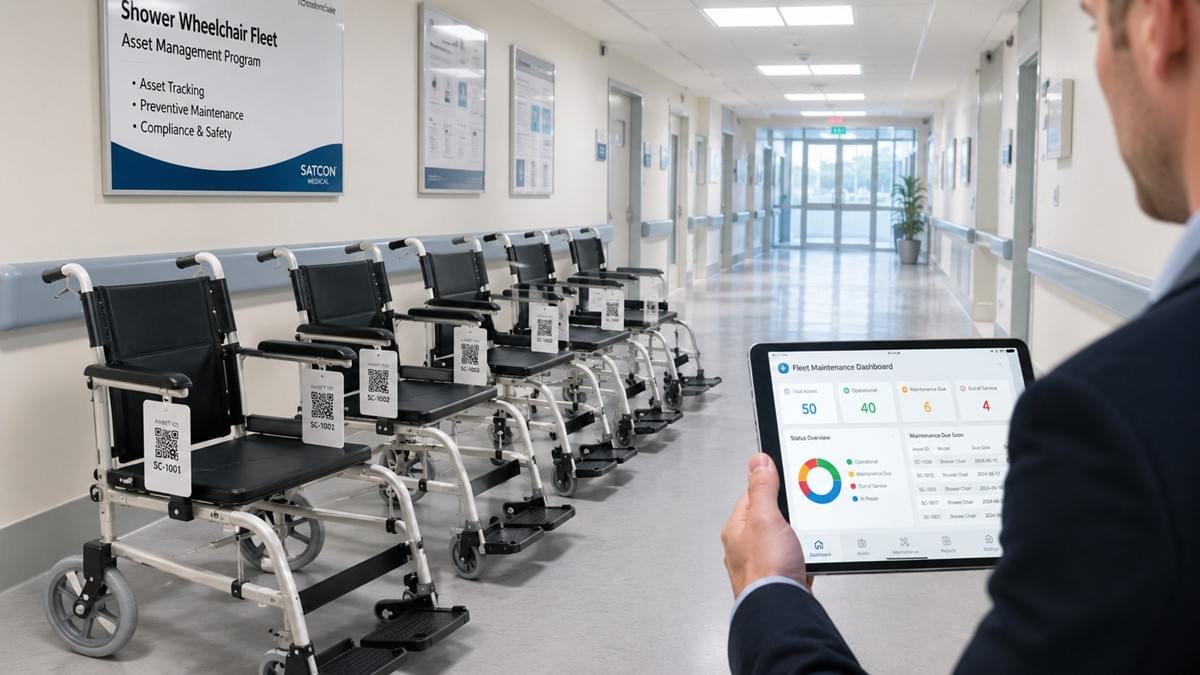
4.5 🔧 Plan for Long-Term Maintenance
A strong maintenance plan extends equipment life and keeps operational costs down:
- 📘 Training Materials: Ensure your biomedical or facilities team has access to repair videos and step-by-step guides.
- 🗒 Maintenance Log: Track every service event, part replacement, and incident in a centralized database.
- 📦 Spare Parts Stocking: Keep high-turnover items—batteries, brake cables, footrests—in your supply room to avoid backorders.
By following these strategies, procurement teams can negotiate better deals, reduce service interruptions, and maintain a reliable inventory of wheelchairs—ultimately supporting seamless patient care across all departments.
5. Conclusion: Wheelchair Procurement Is a Strategic Decision
Wheelchairs may look like simple mobility aids, but they occupy a central role in healthcare and eldercare settings. The right chair not only boosts patient comfort and autonomy but also streamlines caregiver workflows, reduces injury risks, and cuts maintenance expenses.
Key Takeaways for Procurement Teams:
- Align Features with Patient Profiles
Match frame strength, seat dimensions, and adjustability to your facility’s mix of short-stay, bariatric, and long-term residents. - Partner with Certified, Reliable Suppliers
Choose vendors—like Satcon Medical—holding CE, FDA, and ISO 13485 approvals, plus proven after-sales support. - Adopt Scalable, Service-Ready Processes
Use a structured bulk wheelchair purchasing guide to forecast needs, pilot test models, negotiate phased contracts, and maintain spare-parts inventory.
For a one-stop solution, Satcon Medical offers a full lineup of manual, electric, and multifunctional wheelchairs designed for institutional use. Their OEM capabilities and global logistics network make them an ideal hospital wheelchair supplier, delivering customizable designs, competitive bulk pricing, and responsive technical support that keep your facility ahead in patient care and operational efficiency.