1. Introduction
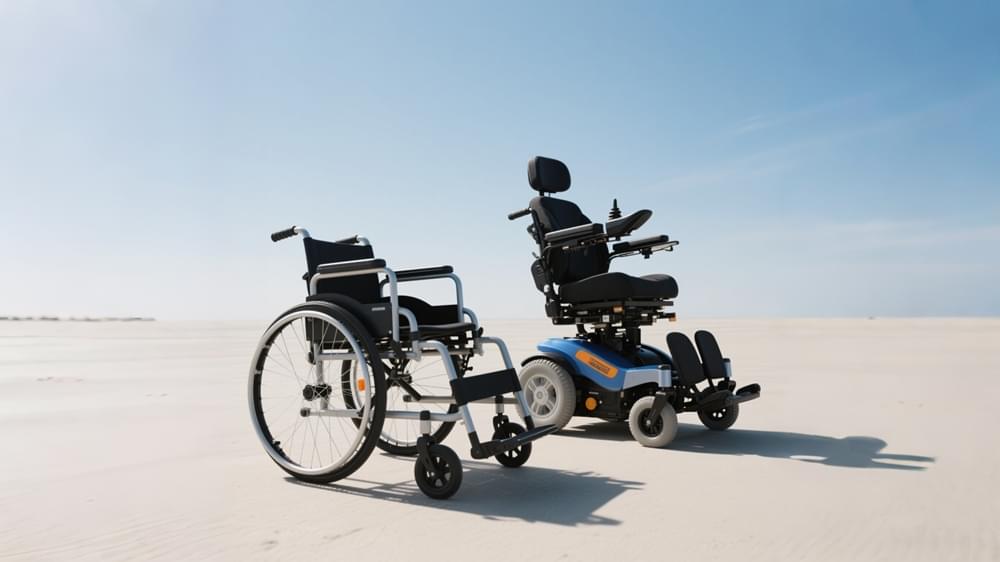
As the global aging population and chronic disease rates rise, the demand for assistive medical devices, particularly wheelchairs, continues to grow. Understanding the differences between Manual Wheelchair vs. Electric Wheelchair is key for distributors, pharmacies, and hospital procurement officers. This knowledge helps optimize inventory and ensures the right products are offered to meet diverse customer needs.
In this Wheelchair Procurement Guide, we’ll cover the core differences, use cases, and commercial value of Manual Wheelchair vs. Electric Wheelchair, helping procurement professionals make better decisions. We’ll also highlight key factors like cost, maintenance, and long-term use to guide you in selecting the right wheelchair for different needs, whether for short-term rehab or long-term care.
2. Core Performance Comparison: Features that Affect User Experience
2.1 Power and Operation
- Manual Wheelchairs 🦽
Manual wheelchairs are moved by the user’s strength or by a caregiver. They are ideal for users with good physical abilities who can operate the chair themselves. For example, Satcon Medical lightweight manual wheelchairs are perfect for indoor use, easy to carry, but struggle on inclines.- Pros:
✅ Lightweight
✅ Cost-effective
✅ Easy to maintain - Cons:
❌ Requires continuous effort from the user or caregiver
❌ Limited to flat surfaces
- Pros:
Looking for more options or customizable solutions for manual wheelchairs? Visit our manual wheelchair products page to explore various models tailored to your needs.
- Electric Wheelchairs ⚡️
Electric wheelchairs are powered by batteries and motors. Users control the chair via a joystick or other mechanisms, making them ideal for those with limited mobility. For example, Satcon Medical electric wheelchairs handle inclines and various terrains well.- Pros:
✅ High comfort
✅ Long-duration use
✅ Suitable for various terrains - Cons:
❌ Higher price
❌ More maintenance required
- Pros:
If you’re interested in advanced electric wheelchair solutions or would like to learn more about our offerings, check out our electric wheelchair range for customized options.
2.2 Battery Life and Charging
- Manual Wheelchairs 🛠️
No battery or motor means there are no concerns about battery life. Users rely on their strength or that of a caregiver to move the chair. Ideal for short-term use in places like hospitals.- Use Case: Short-distance and light use, e.g., within hospital rooms.
- Electric Wheelchairs 🔋
Equipped with rechargeable batteries, electric wheelchairs typically last between 10-30 km, depending on battery capacity and user weight. For instance, the Quantum Q6 Edge electric wheelchair’s dual-battery design ensures longer usage.- Use Case: Long-term use in high-demand environments, such as outdoor trips.
2.3 Convenience and Storage
- Manual Wheelchairs 🚗
Most manual wheelchairs are foldable, compact, and easy to store. This makes them ideal for frequent travelers who need to transport their wheelchairs in a car trunk.- Pros:
✅ Lightweight
✅ Easy to store
✅ Perfect for travel - Cons:
❌ Requires more physical effort
❌ Prolonged use may cause fatigue
- Pros:
- Electric Wheelchairs 🚙
Electric wheelchairs are heavier due to batteries and motors and may require disassembling for storage. High-end models may fold automatically, but special transport equipment is often needed.- Pros:
✅ Easy to operate
✅ Ideal for long-term use - Cons:
❌ More difficult to store
❌ Higher transport needs
- Pros:
3. Use Cases: Choosing the Right Wheelchair Based on User Needs

3.1 User Group Analysis
When considering wheelchair procurement, it’s essential to match the right type to the user’s specific needs. Here’s a breakdown of different user groups and their suitability for manual vs. electric wheelchairs:
| User Type | Manual Wheelchair | Electric Wheelchair | Core Needs |
|---|---|---|---|
| Short-term Rehabilitation (Post-surgery/Broken Bones) | ⭐⭐⭐⭐⭐ | ⭐☆☆☆☆ | Affordable, short-term use |
| Mild Mobility Impairment (Good Upper Body Strength) | ⭐⭐⭐⭐ | ⭐⭐⭐☆☆ | Flexibility, independence |
| Severe Disability (Paralysis/Muscle Atrophy) | ⭐☆☆☆☆ | ⭐⭐⭐⭐⭐ | Electric assistance, comfort |
| Elderly with Degenerative Diseases (Parkinson’s/Arthritis) | ⭐⭐ | ⭐⭐⭐⭐ | Ease of use, comfort, safety |
For short-term rehabilitation or recovery from surgery, a manual wheelchair is an economical and effective choice. It provides quick mobility and is typically more affordable for brief use. On the other hand, for severe disabilities or long-term care, electric wheelchairs offer greater comfort, assistive technology, and autonomy, addressing the core needs of users with limited mobility.
3.2 Application Scenarios
The choice between a manual and electric wheelchair depends on where it will be used. Here are some key scenarios:
- Indoor Use: Manual wheelchairs are lightweight and compact, making them ideal for hospitals, clinics, and nursing homes. They navigate narrow spaces easily. Electric wheelchairs, being larger, may struggle in tight indoor areas.
- Outdoor Use: Electric wheelchairs excel outdoors. Their strong motors and larger batteries handle uneven surfaces, slopes, and long distances. They’re perfect for travel and outdoor excursions.
- High-end Medical Settings: In hospitals and rehab centers, electric wheelchairs are preferred. They offer features like reclining seats, adjustable controls, and smart functions, meeting the needs of patients in high-care environments.
4. Commercial Value: Profit and Inventory Management for Distributors
4.1 Price and Profit
- Manual Wheelchairs 💸
Manual wheelchairs, offered by a Manual Wheelchair Manufacturer, are affordable, typically priced between $60 and $200. With profit margins around 25%-35%, they are cost-effective for both customers and distributors. The primary costs are linked to materials like high-strength aluminum and the wheel system, which have low maintenance costs, making them a reliable and steady product for high-volume sales.- Key Benefits:
✅ Affordable for customers
✅ Low manufacturing and maintenance costs
✅ Steady profit margins for Manual Wheelchair Manufacturers
- Key Benefits:
- Electric Wheelchairs ⚡
Electric Wheelchair Manufacturers offer wheelchairs priced between $300 and $1500 due to the higher costs of batteries, motors, and smart control systems. While more expensive, they provide higher profit margins of 40% to 50%. Additionally, after-sales services, such as battery replacements and custom adjustments, create extra revenue streams, increasing profitability for distributors.- Key Benefits:
✅ Higher profit margins
✅ Additional revenue from after-sales services
✅ Appeals to customers with specific mobility needs
- Key Benefits:
4.2 Inventory Management
- Manual Wheelchairs 🏷️
Manual wheelchairs generally have a faster turnover rate, often selling 6-8 times per year. Distributors can implement just-in-time (JIT) procurement strategies to minimize overstocking and reduce inventory holding costs. Since they are lower-priced items, manual wheelchairs are easy to store and sell quickly, maintaining healthy cash flow.- Inventory Strategy:
✅ Fast turnover rate
✅ Ideal for JIT strategies to avoid overstock
✅ Simple to manage for Manual Wheelchair Manufacturers
- Inventory Strategy:
- Electric Wheelchairs 📦
Electric wheelchairs typically have a longer inventory cycle. Distributors should plan stock based on regional demand. For example, in colder climates, there may be more demand for electric wheelchairs with snow tires, while tropical regions may prefer lighter models. Forecasting demand accurately and maintaining strategic stock is essential for efficient inventory management.- Inventory Strategy:
✅ Longer inventory cycle
✅ Stock based on regional preferences (e.g., snow tires, lightweight models)
✅ Demand forecasting is key for Electric Wheelchair Manufacturers
- Inventory Strategy:
4.3Value-Added Services
- Manual Wheelchairs 🛠️
Manual Wheelchair Manufacturers can offer additional services such as accessories (e.g., cushions, armrests, footrests) to enhance comfort. While manual wheelchairs offer fewer value-added options than electric ones, these simple accessories can boost sales and increase revenue. Providing options for comfort enhancements is a cost-effective way to increase customer satisfaction and grow revenue.- Opportunities for Additional Revenue:
✅ Accessories like cushions and footrests
✅ Increased comfort for users
✅ Easy upsell potential for Manual Wheelchair Manufacturers
- Opportunities for Additional Revenue:
- Electric Wheelchairs 🌟
Electric Wheelchair Manufacturers offer a wider range of value-added services such as battery replacements, remote diagnostics, and custom adjustments. These services generate additional income and are essential for customer retention. Offering comprehensive after-sales support helps build long-term customer relationships and ensures repeat business.- Opportunities for Additional Revenue:
✅ Battery replacements and maintenance
✅ Remote diagnostics and custom adjustments
✅ Increased customer loyalty and retention for Electric Wheelchair Manufacturers
- Opportunities for Additional Revenue:
5. Market Trends and Procurement Recommendations
5.1 Global Market Trends
The global wheelchair market is projected to reach $5.2 billion by 2024, with electric wheelchairs expected to capture 38% of the market share. Demand for electric wheelchairs is particularly strong in North America and Europe. However, emerging markets in Asia-Pacific, particularly in China and India, show significant growth potential, driven by increasing health awareness and a rising elderly population.
As the demand for both manual and electric wheelchairs continues to grow, understanding regional preferences and user needs is essential for making informed procurement decisions. This is where a Wheelchair Procurement Guide can help distributors, pharmacies, and procurement officers navigate the evolving landscape and optimize their product offerings.
5.2 Procurement Decision Recommendations
- Choose Based on User Needs 🏥
When deciding between manual wheelchairs vs. electric wheelchairs, it’s important to consider the specific needs of your target customer group. If your customer base includes short-term rehabilitation patients or budget-conscious individuals, manual wheelchairs are a cost-effective choice, offering ease of use and affordability. On the other hand, for users requiring long-term support or those with more severe mobility challenges, electric wheelchairs provide enhanced comfort, ease of movement, and independence. - Compliance with Certifications ✔️
For distributors and manufacturers exporting to regions like Europe or the U.S., ensuring that both manual and electric wheelchairs meet regulatory standards is critical. Make sure products are CE certified, FDA certified, and comply with other local safety and quality requirements. Compliance not only guarantees safety but also boosts trust and credibility in these key markets.
6. Conclusion
In this Wheelchair Procurement Guide, we’ve examined the global market trends and the key factors that influence procurement decisions for distributors and healthcare providers. As the demand for both manual and electric wheelchairs continues to rise, it’s crucial to understand the specific needs of your customer base. Manual wheelchairs are a cost-effective solution for short-term, budget-conscious needs, while electric wheelchairs provide enhanced comfort and independence for individuals with severe mobility impairments. By evaluating user requirements and product features, you can optimize your inventory for maximum customer satisfaction and business profitability.
Moreover, understanding regional variations in demand and ensuring product compliance with certifications such as CE and FDA is vital when selecting wheelchairs for different markets. Compliance with these regulatory standards not only guarantees safety and quality but also builds trust with customers. By staying informed on market trends and making educated procurement decisions, you can better meet the growing demands of the wheelchair industry while ensuring long-term success for your business.