Introduction: Why Electric Wheelchair Maintenance Is Crucial
A 2023 study by the International Journal of Rehabilitation Engineering revealed that consistent maintenance can extend an electric wheelchair’s lifespan by 3–5 years and cut repair costs by over 60%. Whether you’re a long-term user, a caregiver, or a bulk buyer aiming to reduce product returns and warranty claims, following a reliable electric wheelchair maintenance guide ensures safety, peak performance, and long-term value for every unit in use. Regular care helps extend the electric wheelchair’s lifespan by reducing wear on batteries, tires, and motors.
Regular maintenance offers significant financial and practical benefits. Whether you depend on an electric wheelchair for daily mobility, care for someone who does, or manage a fleet to minimize returns and warranty claims, an electric wheelchair maintenance guide is essential. Following this guide ensures user safety, maintains peak performance, and maximizes long-term value for every unit.
Common Issues from Poor Maintenance
- ⚡ Battery Failure
Poor care can lead to battery failure, disrupting mobility and leaving users stranded. Regular charging routines and proper storage in appropriate temperatures are essential to maintaining battery performance and avoiding unexpected power loss. - 🔄 Uneven Tires
Neglecting tire maintenance can cause uneven wear, resulting in discomfort and posing serious safety hazards. Regular tire pressure checks and timely replacement of worn tires help ensure a smooth ride and improve overall stability. - 🎮 Controller Malfunctions
Inadequate maintenance of the control system can lead to controller malfunctions, reducing precision and causing loss of control. Consistent inspections and software updates are vital to keep the control interface responsive and reliable.
✅ 7 Essential Maintenance Tips for Electric Wheelchairs
1. How to Maintain an Electric Wheelchair Battery
Charging Tips
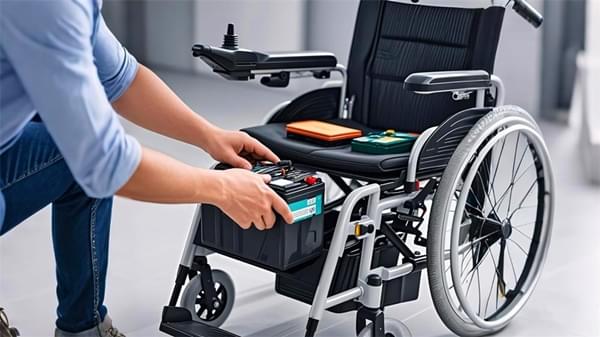
Charging and storing correctly is key. Knowing how to maintain an electric wheelchair battery can prevent early degradation and extend performance life
- Lithium Batteries: Never let the charge drop below 20%. Proper charging is crucial to prevent degradation. Our carbon fiber electric wheelchairs with long-range lithium batteries are engineered for optimal charge cycles and durability.
- Lead-Acid Batteries: Fully discharge once monthly to prevent sulfation.
Storage Tips
- Store batteries at 50% charge for long-term disuse.
- Use insulated covers (Scandinavia) or heat-resistant cases (Middle East) in extreme climates.
🛠️ Recommended Tool: Smart Battery Monitor with voltage alerts
2. Electric Wheelchair Tire Care Tips

Proper tire care is essential for ensuring a smooth, stable, and safe ride, as well as contributing to the overall durability of your electric wheelchair, particularly for individuals who use their wheelchairs daily or navigate rough terrain.
✅ Inflatable Tires
- Check tire pressure (PSI) every month. Refer to the user manual for ideal levels.
- Underinflated tires wear out faster and affect ride comfort.
- Use a digital tire pressure gauge for quick checks.
- Always carry a portable air pump for emergency inflation on the go.
✅ Solid Tires
- Inspect weekly for gravel, glass, or sharp debris.
- Clean the treads using a soft brush or toothbrush.
- Don’t let dirt build up—it reduces traction and safety.
- Ideal for users in urban and indoor environments.
- 🔗 View our puncture-proof solid tire electric wheelchairs designed for rugged use.
💼 B2B Tip
Offer puncture-resistant tire upgrades to resellers in:
- Rural zones with gravel roads
- Mountainous or desert areas
- Underdeveloped markets where tire maintenance tools are limited
Add value by bundling tire tools into your OEM maintenance kits for hospitals or distributors.
3. Cleaning: Protect Against Hidden Damage

Dirt, moisture, and chemicals can wear down the frame and electronics.
🧽 Frame Cleaning
- Wipe weekly with a damp microfiber cloth.
- Avoid high-pressure water or harsh chemicals.
- Use pH-neutral cleaners only.
🪑 Seat Maintenance
- Wash fabric seat covers monthly.
- Clean leather seats with conditioner every 3 months.
🌦️ For humid areas:
Use anti-mold sprays on fabric and foam parts.
🔗 Check out our aluminum power wheelchair with a fabric seat, which is easy to clean.
4. Controller & Wiring Inspection
Keep your wheelchair responsive and safe.
🎮 Monthly Checks
- Test joystick responsiveness.
- Look for frayed wires or loose plugs.
- Tape exposed wires with electrical tape temporarily.
🌬️ Dust Protection
- Clean ports and plugs with compressed air.
- In sandy areas, use electric controller silicone covers.
⚠️ Warning:
If you smell burning or notice heat, turn off the power immediately.
5. Motor & Brake System Upkeep
Reliable motors and responsive brakes are essential for safety, especially on slopes or uneven ground.
⚙️ Motor Care
- Clean air vents every 6 months using a soft brush. This prevents dust buildup and overheating.
- Avoid moisture around the motor unit—keep it dry after rain or cleaning.
- Pay attention to strange noises like grinding or humming. These could indicate wear or internal damage.
🛑 Brake Test
- Perform an emergency stop on a flat surface every month. Make sure the wheelchair stops promptly.
- Test on an incline to ensure the electromagnetic brakes auto-lock when you release the joystick.
- If braking feels weak or delayed, contact a technician immediately.
💼 Tip for Resellers: Include brake safety checklists with each shipment to hospitals and rehab centers.
6. Climate-Specific Adjustments
Electric wheelchairs operate differently across climates. Proper regional maintenance protects key components and ensures user safety year-round.
🌧️ Humid & Rainy Zones
- Moisture can corrode electrical parts. Apply waterproof gel (like Dow Corning DC4) to battery terminals and connectors once a month.
- Always store the wheelchair indoors in a well-ventilated, dry area.
- Use silica gel packs in the storage space to absorb humidity.
💡 Tip: In coastal areas, check for early signs of rust on metal components.
❄️ Cold Regions
- Cold batteries discharge faster. After startup, drive slowly for 5 minutes to allow the battery to reach working temperature.
- Use cold-resistant lubricants on joints, folding parts, and brake pivots to avoid stiffness.
- Avoid storing outdoors—even under covers—during freezing nights.
💼 B2B Tip:
Include climate-specific maintenance sheets with bulk shipments to regions like Scandinavia, Canada, and Central Asia.
7. Long-Term Storage Protocol
Electric wheelchairs must be stored properly when not in use for weeks or months to avoid battery damage, tire deformities, and frame corrosion.
✅ Before Storage
- Charge the battery to around 50%—this protects battery cells during long inactivity.
- Disconnect the battery terminals to prevent a slow power drain or accidental discharge.
- Elevate the wheelchair slightly (e.g., place it on blocks) to relieve the pressure on the tires. This prevents flat spots and keeps the tires round.
- Cover the chair with a breathable cloth—never use plastic wrap, which traps moisture and causes mold.
🔗 Learn more about our foldable electric wheelchairs designed for easy storage.
🔄 After Storage
- Before reusing, lubricate all joints, casters, and folding parts to restore smooth movement.
- Recharge the battery slowly and fully before operation—fast charging after a long rest can stress the cells.
- Do a basic function test: brakes, controller, and motor response.
💼 B2B Tip:
Include this guide in dealer manuals or OEM training kits to help resellers preserve inventory and improve end-user satisfaction.
✅ Proactive Maintenance = Extend Electric Wheelchair Lifespan
By following this expert-approved electric wheelchair maintenance guide, users and resellers can significantly reduce unexpected breakdowns, avoid costly repairs, and extend electric wheelchair lifespan by 3–5 years. Whether you’re focusing on how to maintain an electric wheelchair battery or applying routine electric wheelchair tire care tips, every step helps keep your mobility solution safe and reliable.
From proper battery storage and tire pressure checks to climate-specific care, this guide offers the essential knowledge needed to keep electric wheelchairs in peak condition—especially for bulk buyers operating in international markets.
Whether you’re a distributor in Europe, a healthcare supplier in Southeast Asia, or a rehabilitation center in North America, proactive maintenance not only protects your investment but also improves long-term satisfaction for end users.
FAQ For Electric Wheelchair Maintenace Guide
1. Why is regular maintenance important for electric wheelchairs?
It helps extend the wheelchair’s lifespan by 3–5 years, reduces repair costs by over 60%, and ensures safe, reliable operation.
2. How to maintain an electric wheelchair battery
Avoid full discharges and overcharging—store batteries in a dry, temperature-controlled area to preserve capacity and performance.
3. What tire maintenance steps should I follow?
To ensure comfort, safety, and performance, check pressure regularly, inspect tread wear, and replace worn tires promptly.
4. What daily checks should users perform?
Daily checks include brake function, joystick responsiveness, and battery level to catch issues early and avoid downtime.
5. Are there maintenance tips for different climates?
Yes. In humid areas, prevent rust and ensure dry storage. In cold climates, insulate the battery to maintain efficiency.
6. Why is a maintenance protocol important for resellers and bulk buyers?
It reduces return rates and warranty claims, builds user trust, and protects your brand by ensuring product reliability.
7. How often should professional servicing be scheduled?
Every 6 to 12 months. Professional checks should include motor lubrication, software updates, and full system diagnostics.